
Diesel smoke on acceleration: causes and quick checks
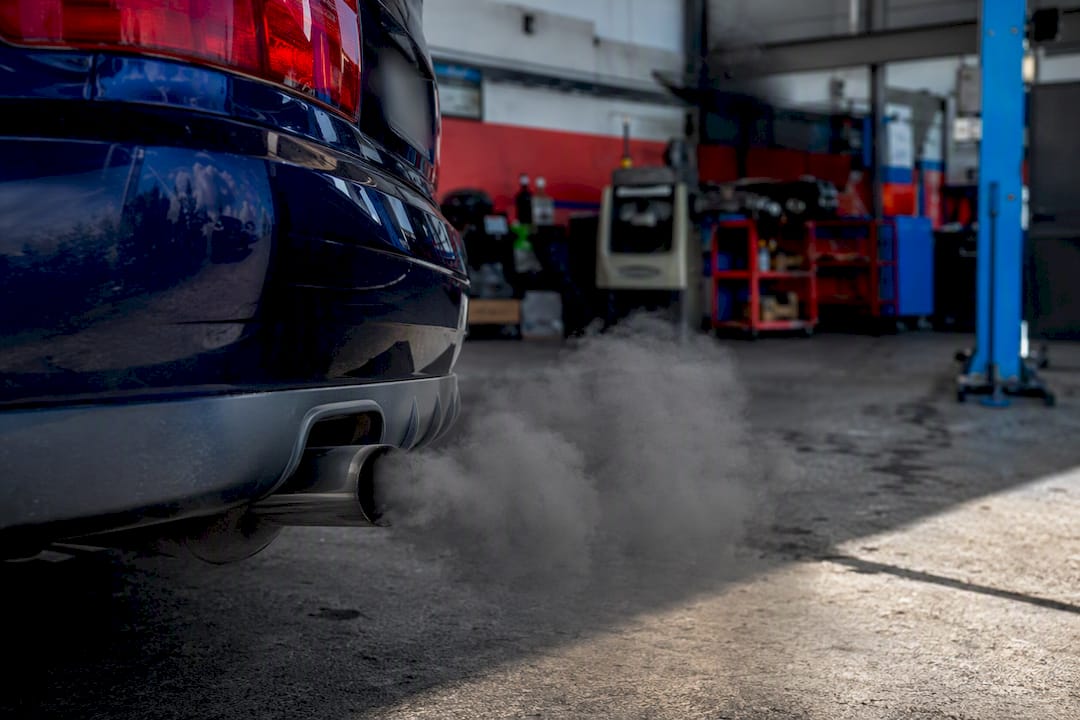
Black smoke under acceleration almost always means your engine is burning too much fuel for the air it’s getting. Blue or grey smoke points to burning oil, usually from worn piston rings or valve seals. White smoke suggests unburnt fuel or, worse, coolant getting into the combustion chamber. In most cases, a car producing black smoke on acceleration is safe to drive gently to a garage. Blue smoke that doesn’t clear, or any smoke paired with power loss, deserves a same-day appointment.
Before you go anywhere, note three things:
Colour — black, blue/grey, or white
Timing — only on hard acceleration, at all speeds, or just on start-up
Power — does the car feel sluggish or is it just smoking
Key Takeaways
Diesel smoke on acceleration is almost always traceable to one of five causes: air restriction, turbo or boost faults, injector wear, EGR/DPF build-up, or oil burning from internal wear.
Point | Details |
Colour tells you the system | Black means fuelling or air supply, blue/grey means oil burning, white means fuel or coolant contamination. |
Acceleration exposes weak links | Turbo, boost pipes and injectors are stressed hardest under load, so faults show up there first. |
Cheap checks come first | Inspect the air filter and charge pipes before assuming you need major repairs. |
Some signs mean stop immediately | Thick smoke, rapid oil loss, or a flashing warning light call for a tow, not a drive. |
Fix faults before tuning | Remapping and carbon cleaning help with calibration or deposit issues, never mechanical wear. |
Table of Contents
What diesel smoke colour means and why it worsens on acceleration
Black smoke means incomplete combustion, either too much diesel or not enough oxygen reaching the cylinders. Blue or grey smoke is engine oil finding its way into the combustion chamber and burning alongside the fuel. White or grey smoke, particularly with a sweet smell, often signals coolant leaking past a failing head gasket.
Acceleration is when engines are most exposed. Under load, the turbocharger has to spin up fast to supply extra air, and the fuel system has to match it precisely. Any weakness in that chain, a lazy turbo, a leaking boost pipe, a tired injector, shows up hardest exactly when you put your foot down. At idle, the same fault might barely be noticeable.
Black smoke: overfuelling or restricted air supply
Blue/grey smoke: oil burning in the combustion chamber
White/grey smoke: unburnt fuel or coolant contamination
Air intake restriction is one of the most common and cheapest causes to rule out. A clogged air filter starves the engine of oxygen and produces soot almost immediately under load, and replacing one typically costs between £40 and £120.
Common causes that typically generate smoke during acceleration
Faults rarely announce themselves cleanly, so it helps to know which ones are likely before you start pulling things apart.
Dirty or clogged air filter — restricts oxygen, causes rich combustion and visible black soot, particularly on hard acceleration.
Turbocharger faults — worn bearings, a sticking actuator, or slow spool-up mean the engine can’t get the air it needs the moment you accelerate. Turbo problems commonly cause a puff of smoke exactly at this point.
Boost leaks and intercooler damage — a split charge pipe or a perished jubilee clip lets pressurised air escape before it reaches the cylinders, mimicking a turbo fault.
Worn or fouled injectors — poor atomisation from a worn nozzle or contaminated fuel disrupts the spray pattern, leading to incomplete combustion and rough running.
EGR carbon build-up and DPF issues — carbon deposits alter airflow and combustion balance, and a blocked DPF raises backpressure, both of which can worsen smoke.
Worn piston rings or valve seals — oil seeps into the cylinders and burns, producing the tell-tale blue haze under load.
Quick, safe owner checks before booking a workshop
You don’t need a lift or a diagnostic laptop to gather useful information. A few careful checks at home can save you time and money at the garage.
Watch the timing. Does smoke appear only under hard acceleration, constantly, or just from cold? Technicians use exactly this pattern to prioritise likely causes.
Use your nose. A sweet smell suggests coolant; a strong diesel smell points to unburnt fuel.
Check the dash. Any warning lights, particularly the engine management or glow plug light, matter.
Look at the air filter. Pull it out and check for dirt, oil contamination, or damage.
Inspect charge pipes and clips. A hissing sound under acceleration often means a boost leak.
Check oil level and colour. Low oil or a milky tinge can support an internal wear diagnosis.
Pro Tip: Record a short video of the smoke and the engine sound on your phone before your appointment. A mechanic can often narrow down the fault faster from thirty seconds of footage than from a verbal description alone.
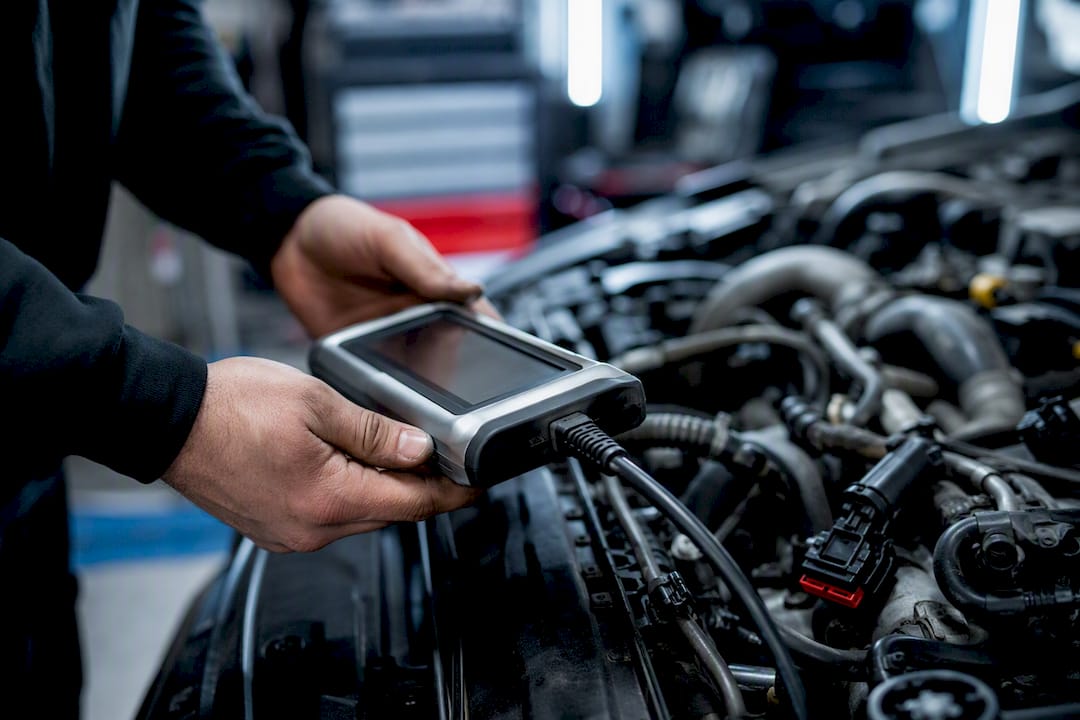
Get a code scan done if you can, and tell the mechanic exactly when the smoke appears and whether power feels reduced. Leave anything involving the high-pressure fuel system, injectors, or the fuel rail to a qualified technician. These components run at pressures that can cause serious injury if handled incorrectly.
When to stop driving and call for a tow
Some symptoms mean you shouldn’t risk the drive to a garage at all.
Thick, continuous smoke rather than an occasional puff
Rapid oil loss or oil visibly dripping under the car
Significant power loss, especially if the car struggles to maintain speed
A flashing engine warning light, overheating, coolant loss, or a metallic knocking sound
If the smoke is light, occasional, and the car drives normally, a short trip to a nearby garage is usually fine. If any of the signs above appear, stop the car safely and arrange a tow rather than risk turning a repairable fault into a rebuild.
What repairs typically cost and how long they take
Costs vary by vehicle, but the pattern across UK workshops is fairly consistent.
Air filter replacement: £40 to £120, about 30 minutes of labour. Cleaning a mass airflow sensor is a similarly cheap first step worth trying before anything more invasive.
Injector cleaning or replacement: cleaning can run from around £50 to £150 per injector; full replacement is considerably more, often several hundred pounds per unit depending on the vehicle.
EGR or DPF cleaning: typically a half-day job, with costs depending heavily on whether it’s a chemical clean or a physical removal and clean of the component.
Turbo replacement: one of the more expensive repairs, frequently running into four figures once labour is included, and usually a full day or more of workshop time.
Piston, ring, or head gasket work: the most serious and costly repairs, sometimes requiring the engine to come out, with downtime measured in days rather than hours.
Live data logging or specialist diesel diagnostics cost more than a basic visual check, but they’re worth paying for once a fault is intermittent or doesn’t show an obvious cause on inspection.
Preventive maintenance to reduce future smoke
A little routine attention goes a long way with diesel engines, which are less forgiving of neglect than petrol equivalents.
Stick to service intervals. Check the air filter and fuel filter at every service, and don’t stretch oil changes past the manufacturer’s schedule.
Support DPF regeneration. Take the car on a proper motorway run occasionally rather than only doing short urban trips, which prevent the DPF from clearing itself.
Use injector cleaners sensibly. They can help with mild deposit build-up but won’t fix a mechanically worn injector, so treat them as maintenance, not repair.
Buy fuel from reputable stations. Poor-quality diesel is a genuine contributor to injector fouling over time.
Inspect charge pipes and clamps periodically, since a perished pipe is cheap to replace but expensive to ignore.
When remapping or carbon cleaning genuinely helps
A remap corrects how the ECU calibrates fuelling and boost, and it can fix smoke that stems from a poor factory or aftermarket calibration causing overfuelling. It will not fix a mechanical fault. A worn turbo, a leaking injector, or scored piston rings need proper repair first, not a software adjustment.
Carbon cleaning and injector servicing address a different problem: deposits that have built up on injector tips or intake components over time, distorting spray patterns and airflow. Where that’s the actual cause, cleaning can genuinely restore smoother combustion and reduce smoke.
Fix mechanical faults first, always
Consider carbon cleaning once deposits are the confirmed cause
A calibration-related overfuelling issue may benefit from correct remapping
Performancetuningni has tuned thousands of vehicles and holds a five-star Google rating, offering remapping, carbon cleaning, and EGR/DPF work alongside straightforward advice on what a remap can and can’t solve.
Ready to sort your engine’s smoke problem properly?
If your car’s smoke turns out to be calibration related, or your injectors are carbon fouled rather than worn out, that’s exactly where a professional remap or carbon clean earns its keep. Performancetuningni offers engine remapping in Belfast alongside carbon cleaning, EGR and DPF services, and mobile appointments across Northern Ireland. Check what your vehicle could gain with the free remap calculator before you book anything.
Why most owners chase the wrong fix first
The instinct when a diesel smokes is to assume the worst, a dying turbo or a blown engine, when the cheapest possible cause is usually the right place to start. Air filters and boost pipes fail far more often than turbos seize, yet owners routinely skip straight to quoting engine rebuilds after a five-minute forum search.
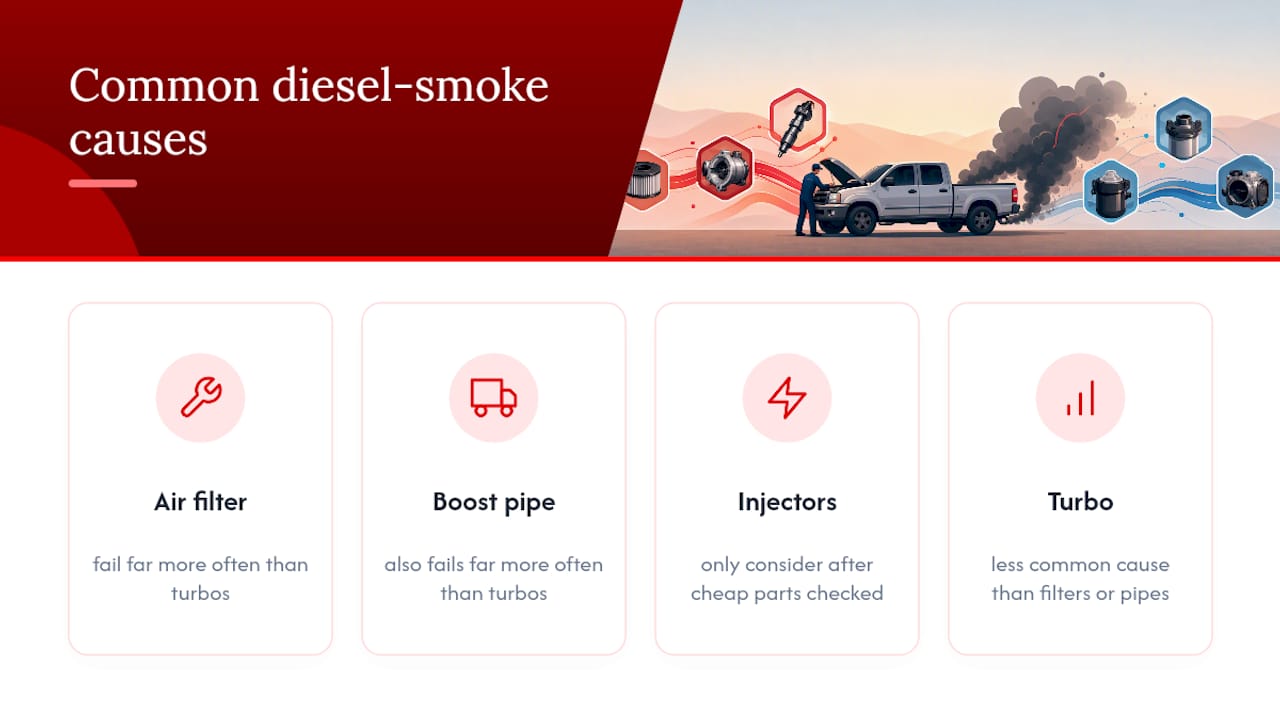
The conventional advice online tends to treat smoke as a single problem with a single fix. It isn’t. Colour and timing matter more than most guides admit, and a puff of black smoke on hard acceleration in an older mechanical diesel isn’t automatically a crisis in the way persistent blue smoke is.
What the evidence actually supports is a strict order of operations: rule out the cheap stuff first, note exactly when the smoke happens, and only then consider anything involving injectors or a turbo. Remapping has a place in this picture, but only once you know the smoke isn’t mechanical. Treating tuning as a first response to a genuine engine fault is where owners waste money, not where they save it.
— Mark
Sources
For deeper technical background, see Car Treatments on black smoke causes, RAC’s guide to engine smoking, and this diesel performance checklist for owners.
Recommended