
Turbo Diesel Remap: 25% More Power!

Yes, for most well-maintained turbo diesels a remap is worth doing. Expect stronger mid-range torque, sharper throttle response, and often better real-world economy once the engine management stops holding the engine back. High-mileage commuters, tow-car drivers, and fleet vehicles gain the most. A reputable tuner saves your original ECU file for a full rollback and leaves the DPF, EGR and AdBlue system fitted, so the car stays road-legal.
TL;DR:
A well-executed remap typically increases power by around 15 to 30 percent and torque by up to 40 percent without hardware changes, mainly benefiting mid-range performance.
Reputable tuners customize each file to the vehicle, ensuring the ECU’s torque model is properly mapped and verified through data logging during initial drives.
Risks include engine damage or turbo failure if boost and fueling are not carefully managed, but thorough calibration and staged testing mitigate these issues effectively.
A remap costs vary from a low-cost Stage 1 software tune to more expensive hardware-involved upgrades, with fixed quotes recommended after vehicle checks.
Declaring a remap to your insurer is mandatory, as failure to do so can void claims, but most insurers treat it as a low to moderate risk modification when appropriately documented.
Table of Contents
What a turbo diesel remap actually changes inside the ECU
Every modern diesel runs on a torque-based control model, not a simple throttle-to-fuel link. The driver’s accelerator input becomes a torque request, which passes through a torque limiter, then a function called FMTC (fuel mass torque control), before the ECU decides on injection duration and how hard to drive the turbo’s boost and vane position. A remap edits that chain rather than any single number in isolation, because pushing one map without the others just trips a limiter or triggers a fault code.
The maps a competent calibrator touches typically include:
Injection quantity and duration, which controls how much fuel goes in per cycle
Boost target and VNT (variable nozzle turbine) position, which sets how hard the turbo works
Torque limiters across the rev range, which the factory sets conservatively for noise, emissions and durability margins
Rail pressure, and occasionally start-of-injection (SOI) timing, both of which affect combustion quality and smoke
Hardware still sets the ceiling. A turbo can only move so much air, injectors can only deliver so much fuel at a given rail pressure, and the fuel pump has its own flow limit. A remap works within those physical boundaries. Anyone promising to push past them without touching the hardware is guessing.
What gains can you realistically expect from Stage 1 to Stage 3?
Stage 1 is where most turbo diesels see the best return for the least risk. Done properly, within the standard turbo and fuelling hardware, Stage 1 tuning commonly delivers around +15 to 30% more power and +20 to 40% more torque, with most of that gain landing in the mid-range rather than at the very top of the rev band, which is exactly where you feel it on a motorway overtake or a loaded trailer pull.
Statistic callout: On many common-rail diesels, a well-matched Stage 1 file adds roughly a quarter more power and up to 40% more torque, without any hardware changes.
Not every Stage 1 file chases the same goal. Broadly:
Economy maps prioritise smoother, earlier torque delivery so you use less throttle and taller gears at a given road speed
Torque maps flatten the delivery curve for towing, vans and fleet use, where drivability matters more than headline figures
Performance maps push closer to the hardware’s practical limits, favoured by drivers wanting the sharpest response
Stage 2 and Stage 3 move beyond software. Bigger injectors, an upgraded intercooler, and eventually a larger turbo becomes necessary once you’re asking for more air and fuel than the stock parts were designed to handle. Fit a remap tuned for a bigger turbo onto a car still running the standard one, and you get elevated exhaust gas temperatures and turbo stress rather than extra performance.
What are the risks, and how does a good tuner avoid them?
The failure modes are well known among experienced calibrators, and none of them are mysterious. Push fuel and rail pressure up without matching the boost and torque limiters, and you get visible smoke, spiking exhaust gas temperatures, and unnecessary strain on the turbo and injectors. Overspeed a turbo that wasn’t sized for the extra airflow and you shorten its life dramatically.
A properly run remap mitigates these through:
Conservative, proportional edits to rail pressure and fuelling rather than one aggressive jump
Boost targets matched to what the standard turbo can actually deliver
Data logging on the first drive, watching boost, EGT, lambda and rail pressure in real time
Staged verification rather than a single flash-and-hope approach
Watch for red flags before you book anyone. A “one file fits all” approach for every diesel of a given size, a tuner who suggests removing the DPF or EGR as standard practice, or no willingness to give you a rollback option are all signs to walk away.
Pro Tip: Ask to see the data log from your own first drive after the flash, not a generic screenshot from another car. If a tuner can’t or won’t show you boost, EGT and lambda traces specific to your vehicle, they probably aren’t logging it at all.
What should you check before booking, and what should you ask?
Preparation matters as much as the file itself. Engine condition going into a remap often decides whether the result is reliable or short-lived.
Check your service history, and change the oil and filter if either is overdue.
Inspect for boost leaks, a tired turbo, or a clogged DPF or EGR before you book.
Ask whether the file is bespoke to your specific vehicle and mileage, or a generic download.
Confirm your original factory file gets saved and backed up before anything is written.
Ask how they verify the flash, whether that’s a logged test drive, and what aftercare or warranty applies.
Find out if the service is mobile, workshop-based, or both, and what happens if something needs adjusting afterwards.
A good tuner answers all six without hesitation. Vague answers, or a rushed “it’ll be fine,” are red flags worth taking seriously. A turbo diesel tuning guide is a useful reference before your first conversation with any provider.
How long does a road-legal remap take, and what does it cost?
Most quotes start with a registration or engine code check, since the ECU type and existing hardware determine which file applies. From there you choose mobile, in-workshop, or occasionally mail-in tuning, depending on what the provider offers.
The flashing process itself follows a set order: back up the original file first, install the bespoke file, then run an initial verification drive with data logging before signing off or making small adjustments. On the day, the actual flash usually takes under an hour; the appointment as a whole, including checks and a test drive, tends to run longer.
Costs vary by stage and vehicle category. A Stage 1 file on a family diesel sits at the lower end of the market, while larger vans, performance diesels, or Stage 2 work involving hardware naturally costs more. Ask for a fixed quote once your registration has been checked rather than relying on a generic advertised price.
Software-only Stage 1: fastest turnaround, lowest cost
Stage 1 with health check or carbon clean bundled in: modest extra cost, worthwhile on higher-mileage cars
Stage 2 involving hardware: longer lead time, higher cost, and worth budgeting for parts separately
What does the technical evidence say about doing this safely?
The order of operations isn’t a matter of opinion among people who actually calibrate these ECUs for a living. Bosch EDC17 systems and their successors run on a torque model, meaning driver’s wish, torque limiter, FMTC and injection duration have to be edited as a connected set, followed by boost and VNT targets, not as isolated numbers.
“The minimum map set for a safe Stage 1 involves Driver’s Wish, Torque Limiter, FMTC, Injection Duration, Boost Target and VNT. These maps must be edited together and verified by data logging because the ECU is torque-model driven.” This is the practical standard experienced calibrators work to on modern common-rail platforms.
That verification step, watching boost, EGT, lambda and rail pressure on the first drive, is what separates a professional result from a downloaded file with no oversight. Performancetuningni builds its process around that same logging and matching discipline on every vehicle it tunes.
How does remapping compare with other performance upgrades?
Against nearly every other performance modification available for a turbo diesel, a remap wins on cost-to-gain ratio, and it isn’t close. A cold air intake or a less restrictive exhaust might free up a small amount of flow, but neither touches the fuelling and boost logic that actually governs how the engine performs, so the gains are marginal at best on a diesel.
Hardware upgrades, a bigger turbo, larger injectors, or an intercooler swap, can unlock genuine additional performance beyond what software alone allows. But turbo selection has to be matched to the target mass flow and pressure ratio using the compressor’s own map, or you end up with poor efficiency, higher EGTs, and a shorter turbo life rather than more power. Hardware without a matching remap to exploit it is money spent for little gain; hardware with the wrong remap is worse than doing nothing.
Suspension, brakes and tyres improve how a car handles and stops, but do nothing for the engine’s output or economy. They’re complementary upgrades, not substitutes.
The honest comparison is this: a remap gets you most of what’s physically possible from the existing hardware, at a fraction of the cost and time of a hardware upgrade path. It’s the sensible first step for the vast majority of drivers, and for many, it’s the only step they’ll ever need.
How should you look after your car after a remap?
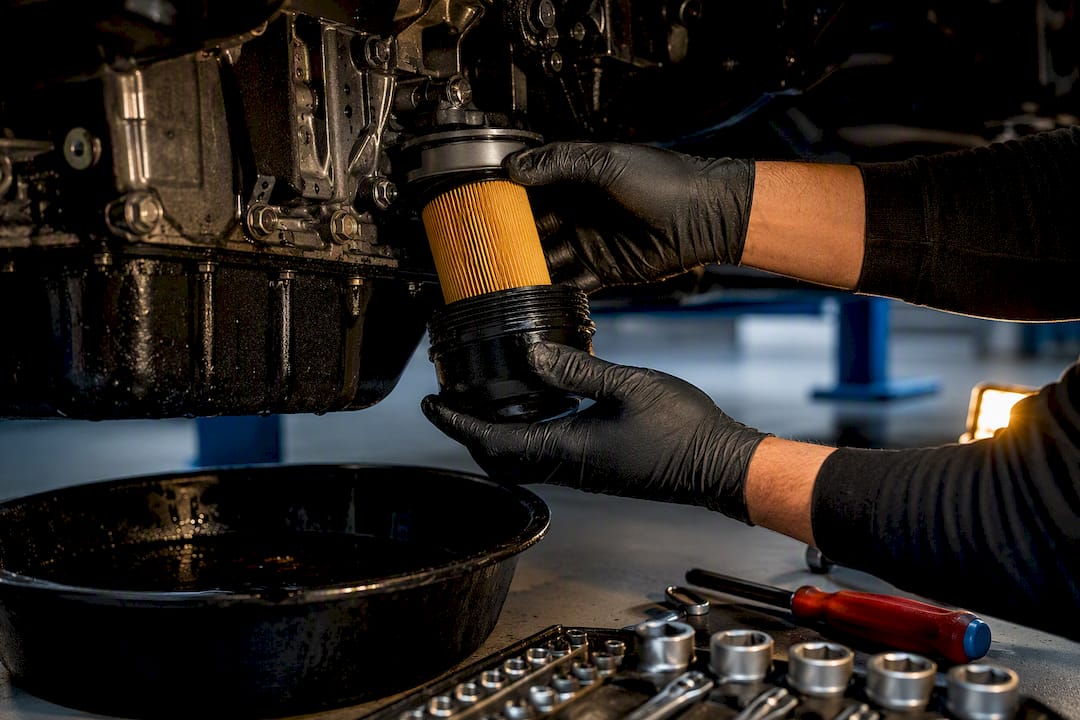
The engine doesn’t need a different maintenance regime after a remap, but it does need a slightly more attentive one. Oil and filter changes matter more, not less, once fuelling and boost pressures sit higher than factory settings; sticking to or slightly shortening your service intervals is a sensible habit rather than an unnecessary expense.
Keep an occasional eye on how the car drives. A change in exhaust smoke colour, a new whistle or rattle from the turbo, or a dashboard warning light appearing where none existed before are all worth investigating promptly rather than waiting for the next scheduled service. Most reputable tuners will also offer a follow-up check or data log review a few weeks after the initial flash, precisely to catch anything that only shows up under sustained real-world driving rather than a short test loop.
DPF and EGR health is worth monitoring too, particularly if most of your driving is short urban trips. A bespoke calibration matched to your vehicle can actually improve DPF regeneration behaviour compared with the factory map, but that benefit depends on the emissions hardware staying fitted and functioning, which is exactly why a reputable tuner never suggests removing it.
If you’re combining a remap with other engine work, consider timing them together. A carbon clean before or shortly after a remap, for instance, clears out any accumulated deposits that might otherwise mask or exaggerate how the new file feels on the road.
Who should get a remap, and who should hold off?
If you service your car on schedule and want stronger mid-range pull or better economy from an engine that’s fundamentally healthy, a remap is one of the best-value upgrades available. I’d recommend it without much hesitation for high-mileage commuters, tow-car owners, and fleet drivers who spend real hours behind the wheel.
Hold off if the engine already has a known fault, unresolved turbo wear, or a DPF that’s struggling. And be wary of any provider who suggests deleting emissions systems rather than tuning around them. That’s a shortcut with legal and reliability consequences.
If you’re unsure where your car stands, start with a health check or a straightforward conversation before committing to a file, or use a remap calculator to get a feel for realistic figures for your specific vehicle.
— Mark
Book a bespoke remap that keeps your car road-legal
Performancetuningni is the local alternative to guesswork tuning, where every file is matched to your specific vehicle and driving needs rather than pulled from a generic library. That means a genuine health check first, your original ECU file saved and backed up before anything is written, and a verification drive with data logging once the new file is installed, so you leave knowing exactly what changed and why.
[
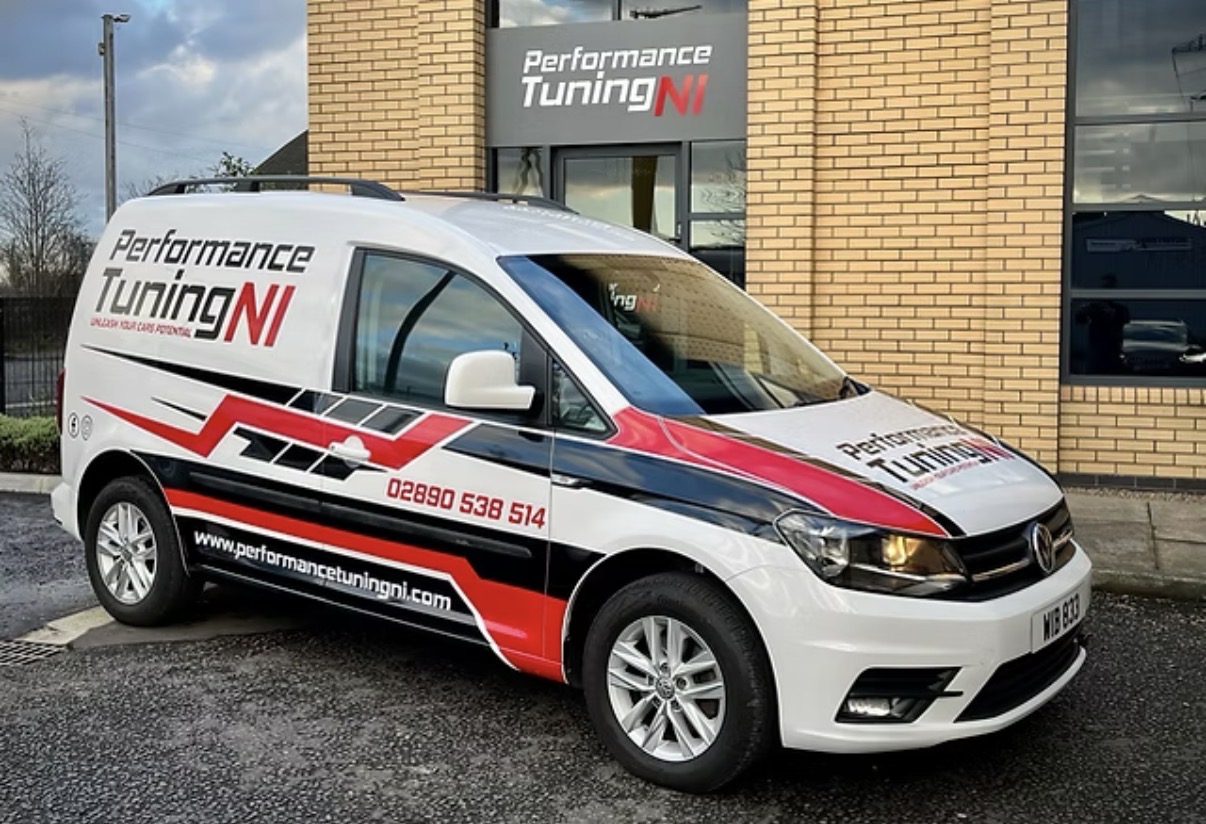
Many vehicles have gone through this process, and the Google rating reflects a consistent approach rather than a one-off result. Whether you want a Stage 1 economy map for a daily commute or a torque-focused file for towing, the process stays the same: check, flash, log, confirm.
Get an instant estimate with the free remap calculator by entering your registration, or head straight to the engine remapping service page to book a mobile or workshop appointment near you.
Sources
For deeper technical detail, the Bosch EDC17 tuning guide explains the torque model in full. For practical, vehicle-specific advice, read how engine remapping boosts power and economy or check whether remapping affects reliability. Van owners should also see the van remap benefits guide, and anyone reviewing pre-remap electrical checks may find the starter inhibit loom range relevant background.
Recommended